跳到内容
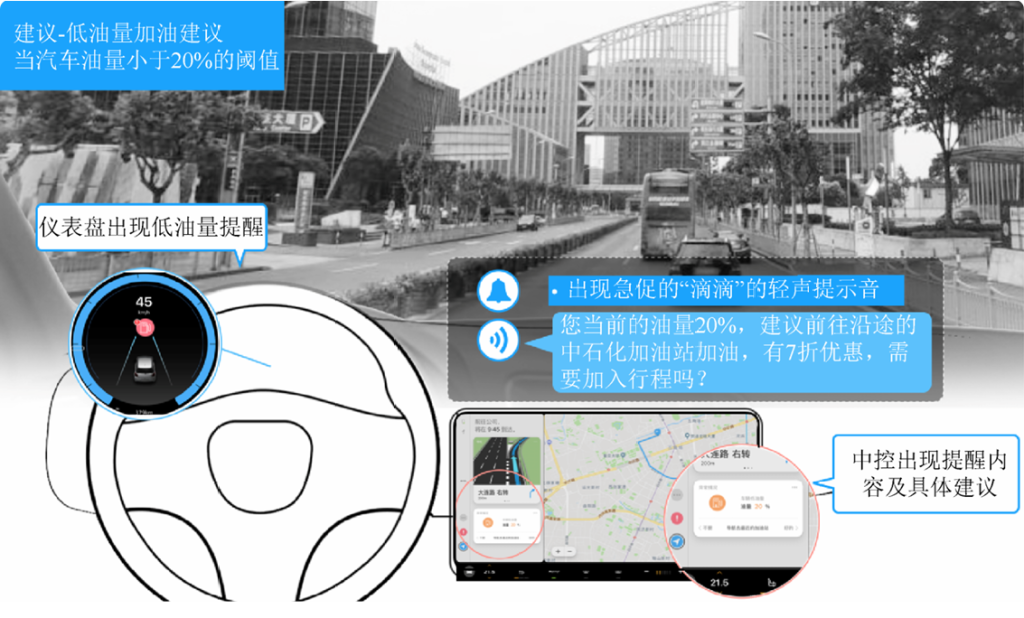 通过引入主动式 HMI,车辆可以预测用户的意图并启动功能,从而减少干扰,增强灵性,提高驾驶安全性和用户体验。通过主动式 HMI,使用意图预测模型的准确性机制层面成为影响主动HMI体验质量的关键。然而,缺乏有效的手段来提高用户预测模型的准确性,并且相关研究还不够充分。智能交互是提高工作效率的有效方法机器人的性能。通过将该技术引入到主动响应式的设计中通过交互,可以获得用户的意图,有助于突破当前算法的瓶颈。提出一种基于智能的汽车主动响应式交互设计框架交互并利用智能交互提高预测精度,是预测的关键点还列出了值得关注的地方,并举例说明了具体的设计案例。[......]
继续阅读
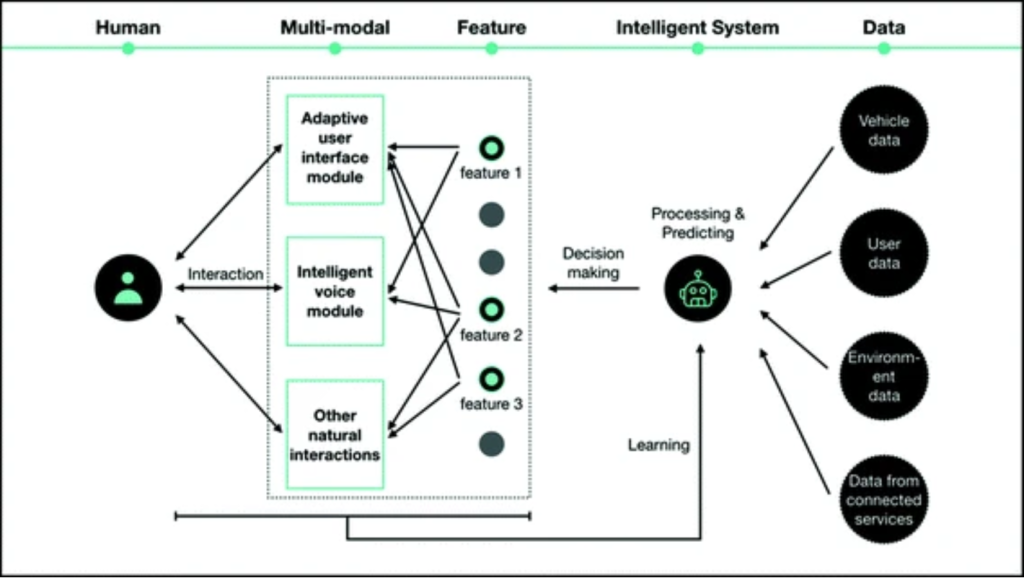 HMI is used to refer to human-vehicle interaction design from the perspective of taking car as a machine. However, with the quick increase of demand for smart cockpit, it would put strong constraints to the design of intelligent interactions and connected services if we still design from the perspective of control-oriented interface with a machine. By switching the concept from Human Machine Interaction (HMI) to Human Robot Interaction (HRI) can instead greatly open up the space of innovation for the development of natural interactions with the car as an intelligent system. This also make it possible to further focus on topics such as adaptive learning of the system through smart interaction. Designing from the perspective of human robot interaction is even more important for autonomous vehicles, which can provide to users a more consistent intelligent experience from driving control to in-vehicle functions and connected services. we introduce in this paper our approach in designing human-vehicle interaction from the HRI perspective, which is further composed of three parts: the intelligent sensing, predicting, and decision-making module, the adaptive user interface module, and the intelligent voice module.[......]
继续阅读