
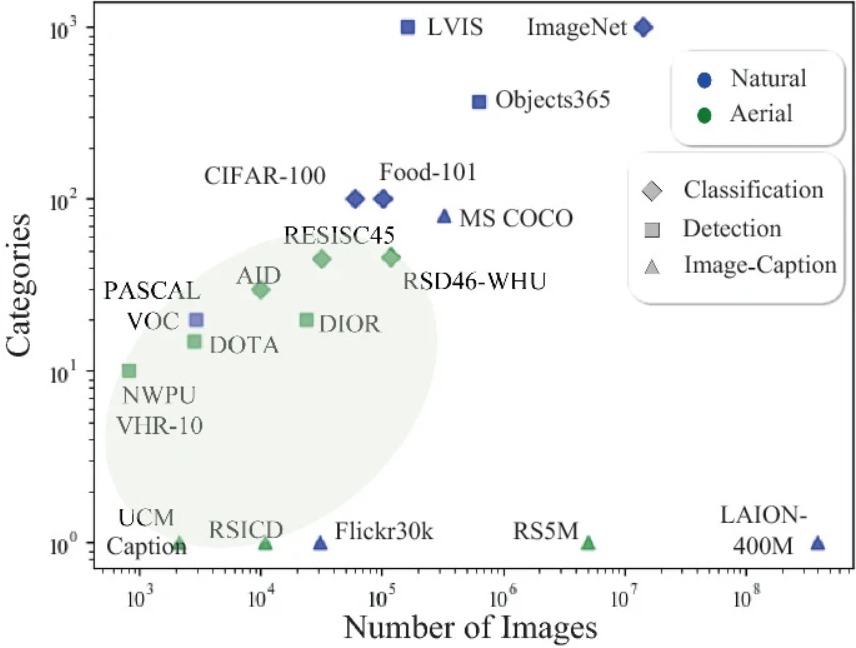
Toward Open Vocabulary Aerial Object Detection with CLIP-Activated Student-Teacher Learning
An increasingly massive number of remote-sensing images spurs the development of extensible object detectors that can detect objects beyond training
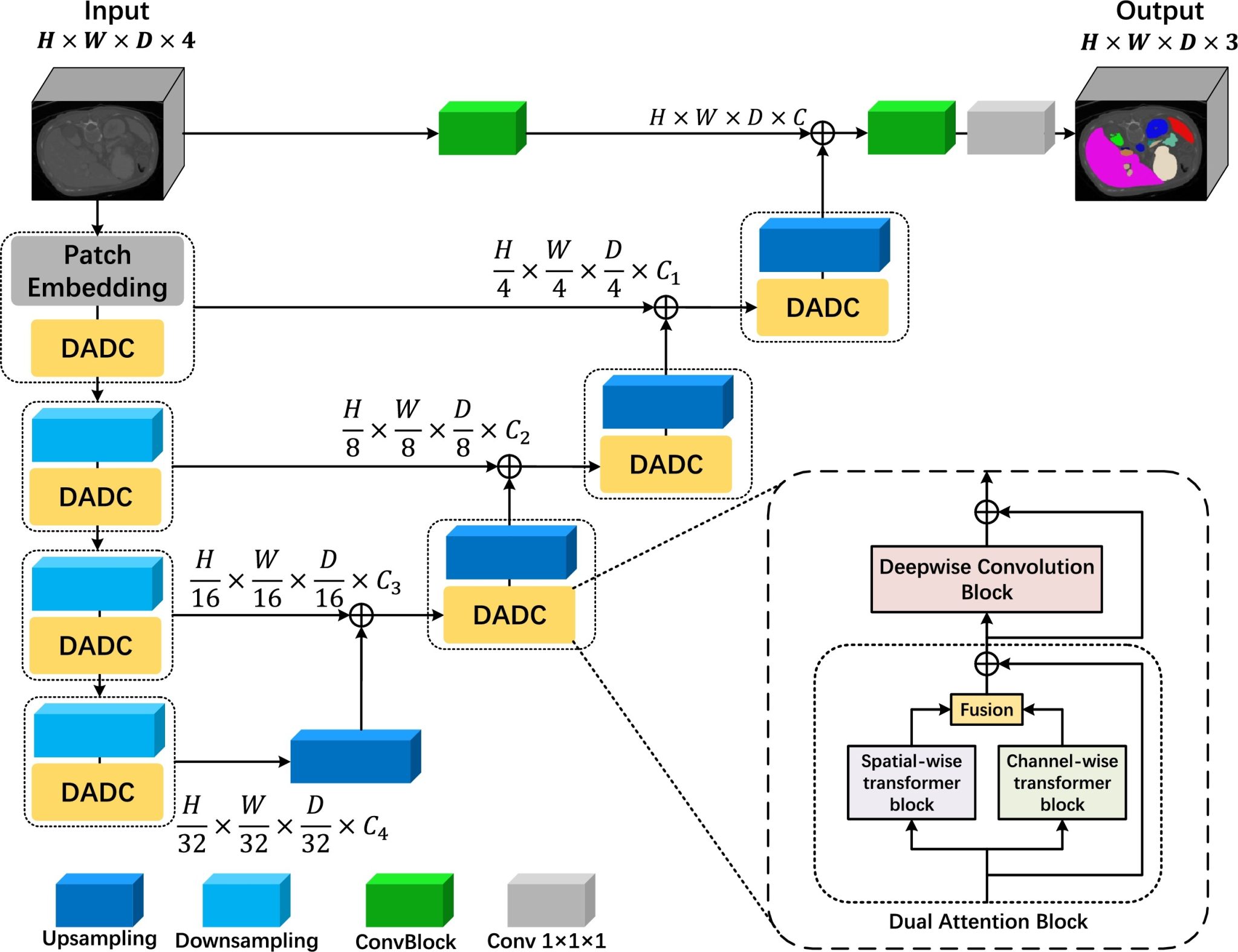
SCANeXt: Enhancing 3D medical image segmentation with dual attention network and depth-wise convolution
Existing approaches to 3D medical image segmentation can be generally categorized into convolution-based or transformer-based methods. While convolutional neural networks

The Effectiveness of Scene-Based Icons Inspired by the Oracle Bone Script in Cross-Cultural Communication
Oracle bone script is an ancient form of writing character used by ancient Chinese. It takes advantage of static pictographic
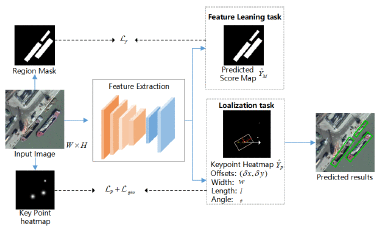
Direct Oriented Ship Localization Regression in Remote Sensing Imagery with Curriculum Learning
Accurate and efficient ship detection in remote sensing images still remains a challenging task due to the large variations of
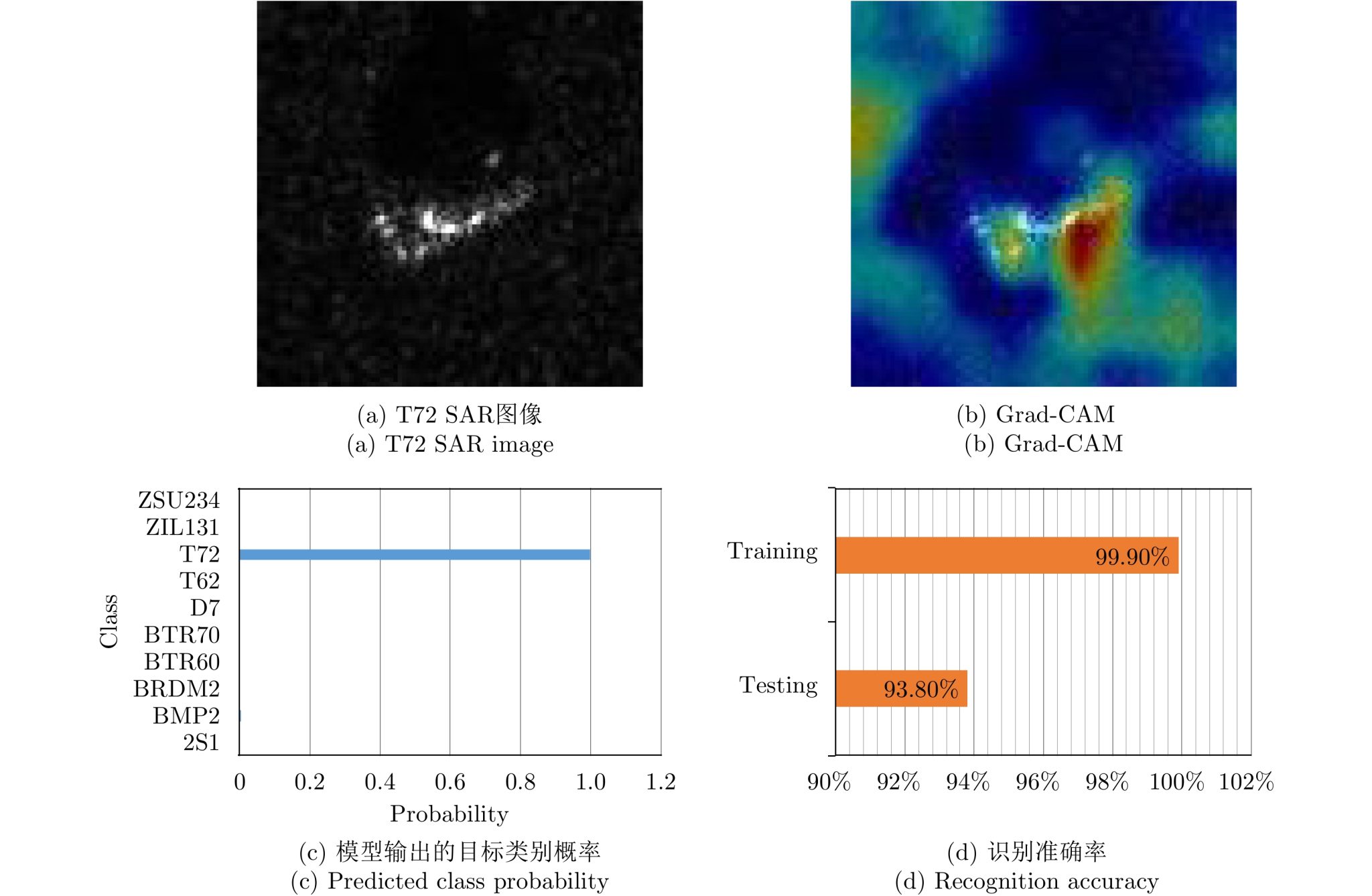
SAR图像目标识别的可解释性问题探讨
合成孔径雷达(SAR)图像目标识别是实现微波视觉的关键技术之一。尽管深度学习技术已被成功应用于解决SAR图像目标识别问题,并显著超越了传统方法的性能,但其内部工作机理不透明、解释性不足,成为制约SAR图像目标识别技术可靠和可信应用的瓶颈。深度学习的可解释性问题是目前人工智能领域的研究热点与难点,对于理解和信任模型决策至关重要。该文首先总结了当前SAR图像目标识别技术的研究进展和所面临的挑战,对目前深度学习可解释性问题的研究进展进行了梳理。在此基础上,从模型理解、模型诊断和模型改进等方面对SAR图像目标识别的可解释性问题进行了探讨。最后,以可解释性研究为切入点,从领域知识结合、人机协同和交互式学习等方面进一步讨论了未来突破SAR图像目标识别技术瓶颈有可能的方向。
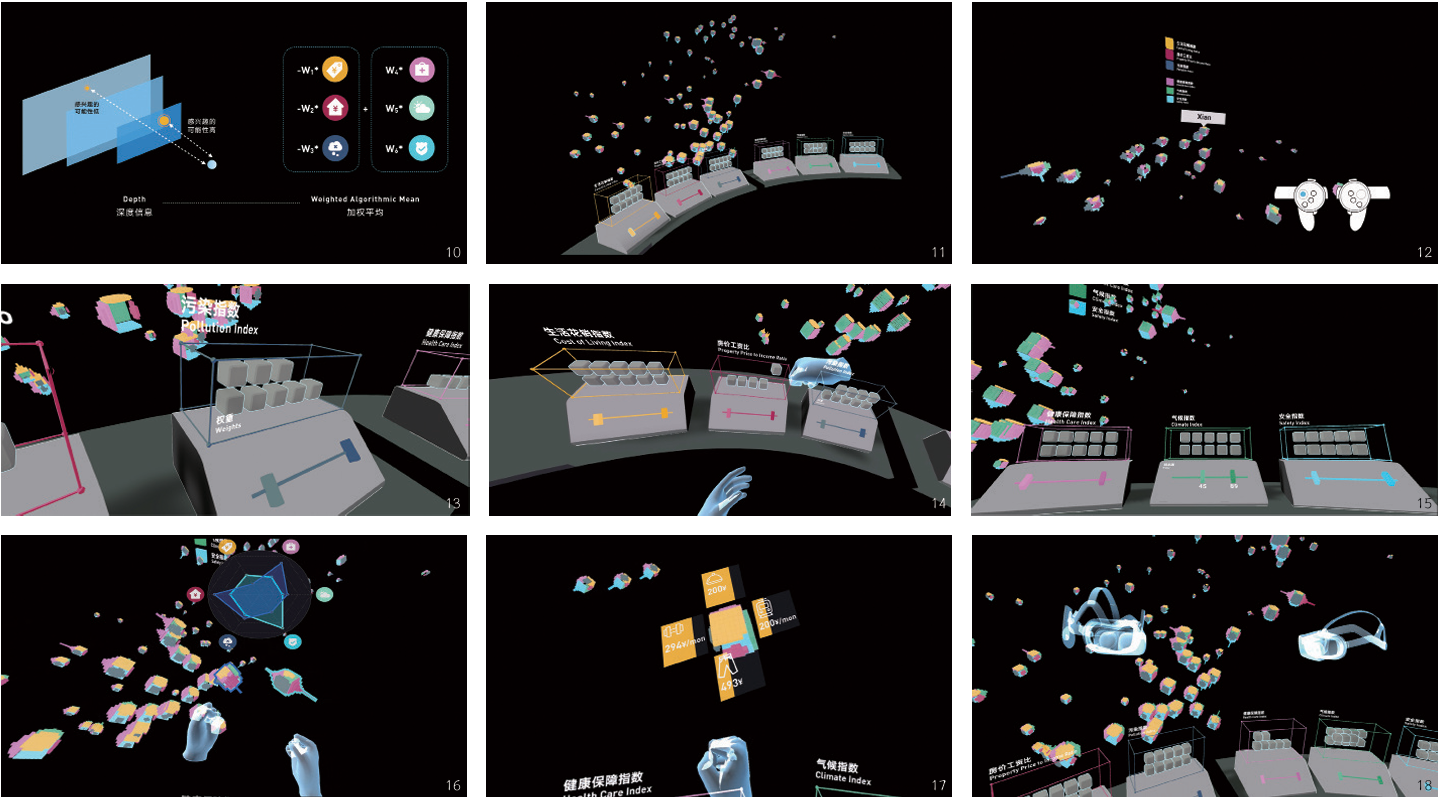
高维数据的交互式沉浸可视化——以城市生活质量数据为例
设计说明: 在这个数据过载的时代, 信息可视化如同天文学家的望远镜和生物学家的显微镜, 是将数据处理成易于人脑理解和吸收形式的工具. 我们接触到的数据, 常常是每个数据项具有两个以上属性值的高维数据; 而我们常用的纸媒和屏幕, 只有物理上的两个显示信息的维度, 对于高维数据的呈现有着一定局限性.
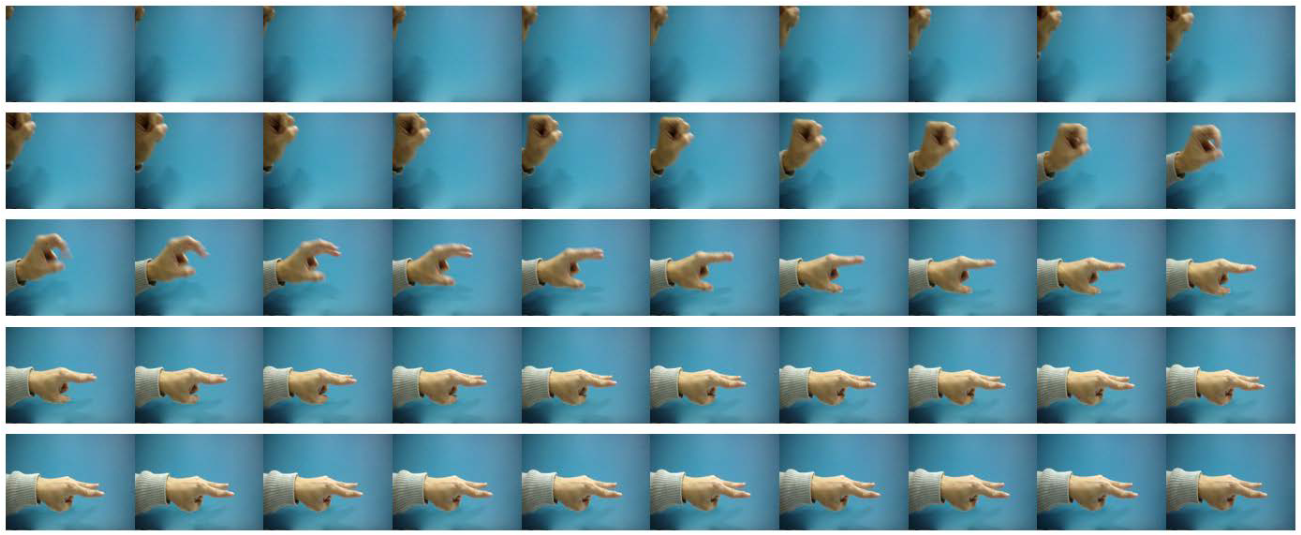
Predictive hand gesture classification for real time robot control
In this paper, we propose a vision-based hand gesture recognition system for human-computer interaction. The gesture recognition systems are employed