人机智能协同研究综述
孙效华,张义文,秦觉晓,李璟璐,王舒超
包装工程 (2023)
摘要/Abstract
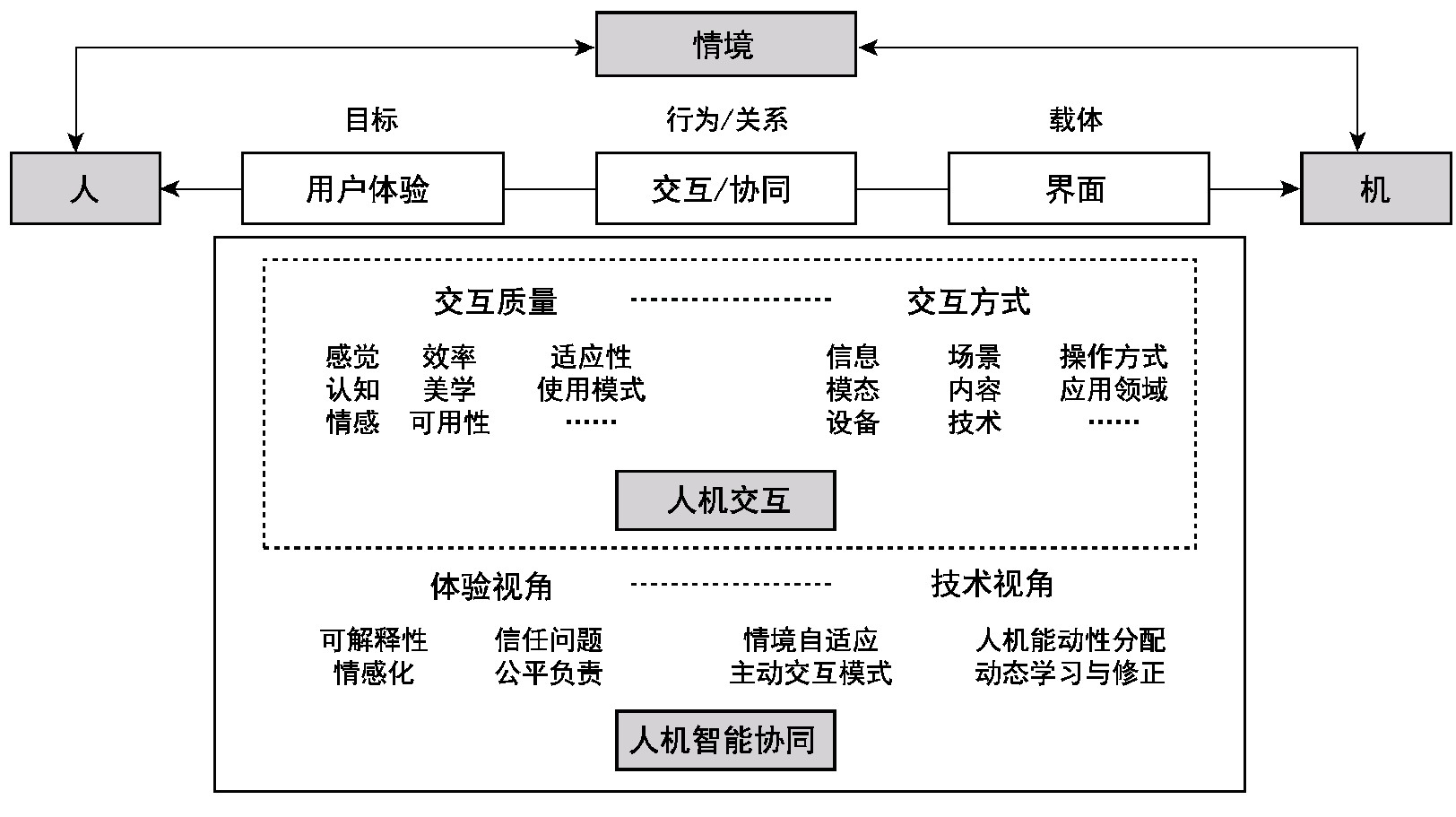
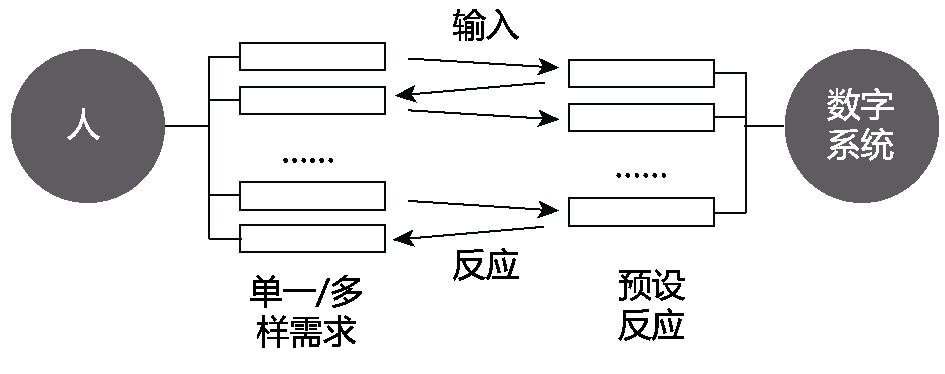
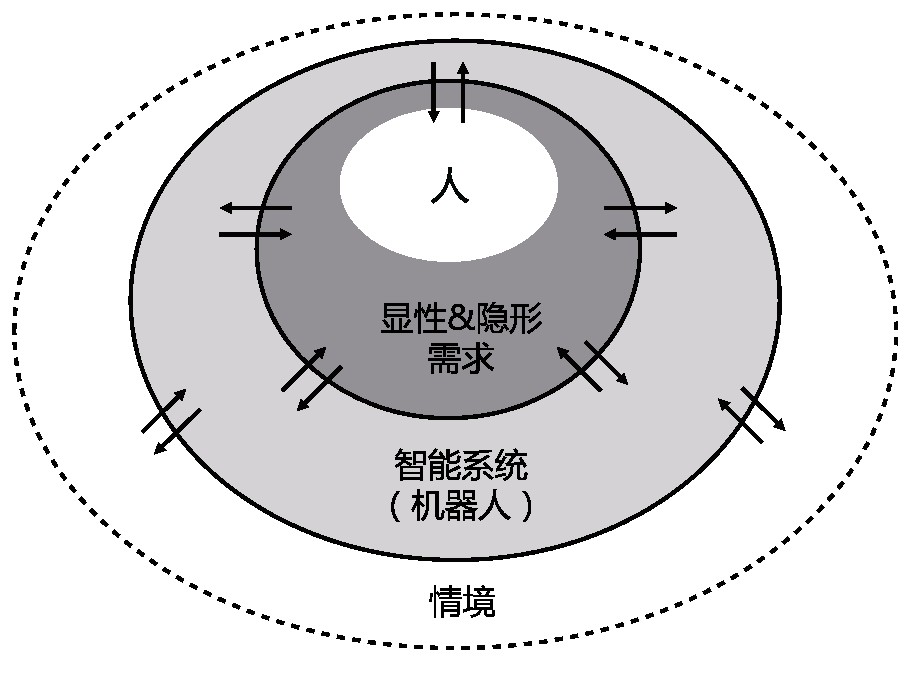
目的 智能系统在智能制造、智慧城市、医疗健康、生活服务等各种场景中越来越广泛地存在,为应对人与智能系统的交互中所面临的诸多挑战,从技术和体验的视角分析人机智能协同中的关键问题。方法 对从人机交互到人机智能协同的发展脉络与研究范围进行梳理,提出综合技术视角和体验视角的研究框架;从智能系统的特征出发,梳理出技术视角下人机智能协同所带来的新兴问题;从体验的视角探讨如何推动实现人机智能协同;在此基础上总结人机智能协同的发展趋势。结论 总结了人机交互演进的三个阶段;提出了技术视角下人机智能协同的关键问题,包括人机能动性分配、动态学习和修正、情境自适应及主动响应模式;探讨了体验视角下人机智能协同的可解释性、信任问题、情感化及公平负责等问题;指出了人机智能协同全方位、多类型及体系化的发展趋势。
Intelligent system will exist widely in the future life and work. This work aims to analyze key issues in human-intelligent system collaboration from both technology-centric and experience-centric perspectives, to deal with the challenges in interactions between human and intelligent system. This work combed the evolution and research scope from human-computer interaction to human-intelligent system collaboration, and put forward a comprehensive research framework from both technology-centric and experience-centric perspectives. From the features of intelligent system, emerging problems brought by human-intelligent system collaboration were proposed, and the ways for promoting hu-man-intelligent system collaboration were discussed from experience-centric perspective. Future trends of hu-man-intelligent system collaboration were summarized on this basis. A three-stage framework of human- computer inter-action evolution is proposed. Key issues in human-intelligent system collaboration from technology-centric perspective are concluded, including degree of agency, adaptive learning and correction, context-sensitive and proactive interaction. Experience-centric issues like explainability, trust, affective interaction, fairness and accountability are discussed. Trends of human-intelligent system collaboration are described as comprehensive, diverse, and systematic.
相关信息/Info
作者/Authors
链接/Link
孙效华,张义文,秦觉晓,李璟璐,王舒超